
Software distribution is the process of delivering software products from vendors to end-users through various channels. It plays a crucial role in ensuring users can access, install, and update software efficiently.
With the rise of digital platforms and cloud computing, software distribution methods have evolved rapidly. Understanding these methods is essential for businesses to stay competitive and meet customer demands.
Introduction
Software distribution in Indonesia has evolved rapidly, adapting to a diverse and growing digital market. From traditional retail to digital platforms, the delivery methods have expanded to meet local demand effectively.
Key players include software vendors, resellers, and cloud service providers who collaborate through various models. These distribution methods ensure users access software via physical media, downloads, or cloud-based solutions.
Software Distribution Models in Indonesia
Understanding these models helps businesses select the best strategy to maximize reach and customer satisfaction in the Indonesian context.
1. Direct Distribution
In direct distribution, software vendors sell their products straight to customers via physical stores or online channels. This approach enables vendors to retain full control over pricing and customer interactions.
It is especially effective for niche products or when personalized customer service is required. Vendors also benefit from direct feedback and quicker updates.
Online marketplaces and official websites are popular channels for direct distribution, providing convenience and instant access to users nationwide.
Read Also: 3 Key Offerings and How to Choosing the Right Software Reseller in Indonesia
2. Distribution through Resellers
Resellers are independent businesses or partners who sell software either as standalone products or bundled with other services. They frequently offer additional services like installation and technical support.
This model extends vendors’ reach, especially in regions where direct sales are challenging. Resellers also help localize software offerings to meet specific customer needs.
By leveraging reseller networks, vendors gain market penetration without the costs of building their own sales infrastructure.
3. Distribution through Distributors
Distributors like Optima Distribution act as intermediaries connecting software vendors with resellers or end-users. They specialize in widening the vendor’s market reach and managing logistics.
Distributors provide access to niche or remote markets in Indonesia, ensuring availability of software products across diverse regions. They are also responsible for managing bulk purchases and overseeing inventory control.
This model is crucial for vendors looking to scale quickly without directly managing numerous reseller relationships.
4. OEM (Original Equipment Manufacturer) Distribution
OEM distribution involves embedding software into hardware products before sale. Common in computers and mobile devices, this method ensures users receive ready-to-use solutions.
Software bundled in OEM packages often includes operating systems, productivity tools, or specialized applications. This seamless integration boosts user convenience and drives software adoption.
For vendors, OEM deals provide steady sales volumes linked to hardware shipments, establishing long-term partnerships with manufacturers.
5. SaaS (Software as a Service) Distribution
SaaS distribution delivers software via online subscriptions, eliminating the need for physical installation. It is widely adopted in Indonesia for ERP, CRM, and cloud-based applications.
Customers benefit from easy access, regular updates, and scalable pricing models. SaaS also supports remote work and mobile accessibility, aligning with modern business trends.
For vendors, SaaS creates recurring revenue streams and enhances customer retention through continuous service improvements.
Key Players in Software Distribution in Indonesia
Indonesia’s software ecosystem thrives due to the collaboration of various key players. Each contributes uniquely to the availability and accessibility of software products across the country.
Recognizing these players helps understand the flow of software from creation to end-user delivery in this growing market.
1. Software Vendors
Software vendors are the original developers and sellers, ranging from global giants like Microsoft and SAP to emerging local companies. They develop and own software solutions customized to meet a variety of business requirements.
These vendors focus on innovation, licensing, and marketing, driving Indonesia’s software industry forward. Their products span from enterprise software to niche applications for specific industries.
By continuously improving and adapting software, vendors maintain competitive advantage and customer loyalty in Indonesia’s dynamic market.
2. Software Distributors
Software distributors like Optima Distribution focus on providing cybersecurity and cloud solutions to resellers and end customers. They bridge the gap between vendors and local markets.
Distributors manage logistics, marketing, and bulk sales, making software accessible across Indonesia’s vast geography. Their expertise helps vendors penetrate niche markets efficiently.
With growing demand for cloud and security solutions, distributors play a pivotal role in enabling digital transformation nationwide.
3. Software Houses
Local software houses provide custom development, implementation, and maintenance services tailored to Indonesian businesses. They often specialize in specific sectors like finance, healthcare, or government.
These companies support businesses by creating bespoke software solutions and ensuring ongoing system support. Their close market understanding allows better alignment with local needs.
Software houses contribute to Indonesia’s digital economy by fostering innovation and helping companies modernize through technology.
4. Resellers
Resellers are individuals or businesses that offer software products from various vendors to different markets. They deliver localized sales, installation, and post-purchase support services.
By diversifying their portfolio, resellers can meet different customer requirements and offer competitive pricing. Their presence is critical in reaching small to medium enterprises across Indonesia.
Resellers also play an advisory role, guiding customers in software selection and integration to maximize value.
5. Distribution Management Solution Providers
Distribution management solution providers offer specialized platforms for managing stock, orders, delivery, and billing processes. These tools streamline software distribution operations.
By automating key functions, these solutions improve efficiency and reduce errors for distributors and resellers. They enable real-time tracking and better inventory control.
Their services help software distribution companies scale operations and respond swiftly to market changes in Indonesia’s competitive landscape.
Technology Trends in Software Distribution
Software distribution in Indonesia is rapidly evolving, driven by emerging technology trends. These innovations enhance efficiency, accessibility, and customer satisfaction across the software supply chain.
Staying updated with these trends allows businesses to optimize distribution strategies and stay competitive in a dynamic market.
1. Cloud Computing
Cloud computing revolutionizes software distribution by enabling on-demand access without the need for physical media. This shift reduces costs associated with manufacturing and logistics.
Users can access software anytime, anywhere, facilitating remote work and scalability. Cloud platforms also enable faster deployment and updates, keeping software current.
In Indonesia, cloud adoption is growing rapidly, supported by improved internet infrastructure and increasing demand for flexible solutions.
2. Automation
Automation tools streamline software installation, licensing, and update processes, minimizing manual efforts and human errors. This leads to faster deployments and improved customer experiences.
Automating routine tasks enables companies to save time and reduce operational costs. Automated license management also helps prevent compliance issues.
Automation is becoming a standard in software distribution, especially for complex enterprise solutions requiring regular updates.
3. Device Management
Device management solutions facilitate centralized control over software deployment across employee devices. This ensures consistency, security, and compliance within organizations.
Endpoint management tools support remote installation, patching, and monitoring, critical for managing distributed workforces. They assist IT teams in efficiently maintaining system integrity.
In Indonesia’s growing digital economy, device management enhances productivity and protects corporate data amid rising cybersecurity threats.
4. System Integration
Integrating software distribution with accounting, supply chain, and CRM systems streamlines operations and improves tracking accuracy. This all-encompassing strategy enhances visibility and strengthens control.
System integration enables real-time data sharing, reducing manual entry errors and accelerating decision-making processes. It also simplifies billing and inventory management.
For Indonesian distributors, seamless integration supports scalability and responsiveness to fast-changing market demands.
Challenges in Software Distribution in Indonesia
Software distribution in Indonesia faces several challenges that impact vendors, distributors, and end-users. Addressing these issues is critical to maintaining trust and market growth.
Understanding these challenges helps stakeholders develop solutions that ensure smooth and secure software delivery.
1. Intellectual Property Protection
Protecting intellectual property remains a major concern due to software piracy and unlicensed usage. Enforcing licenses helps vendors safeguard their innovations.
Piracy not only causes revenue loss but also undermines software quality and customer trust. Vendors invest in digital rights management (DRM) to combat illegal distribution.
Strong legal frameworks and awareness campaigns are essential to promote respect for intellectual property rights in Indonesia’s software market.
2. Security Risks
Safe distribution methods are crucial to prevent malware infections, unauthorized access, and software tampering. Security breaches can seriously harm a brand’s reputation.
Distributors and vendors need to implement encryption, secure communication channels, and verification protocols. Regular security audits are essential to detect and address vulnerabilities.
A secure software supply chain protects both providers and users from potential cyber threats and ensures product integrity.
3. Software Quality Assurance
Maintaining high software quality is essential to meet performance, compatibility, and usability standards expected by users. Poor quality leads to customer dissatisfaction.
Quality assurance involves rigorous testing, updates, and customer feedback integration. This process ensures the software works reliably across different environments.
In Indonesia’s competitive market, delivering quality software builds trust and encourages long-term user loyalty.
4. Cost Constraints
Pricing and distribution costs can limit access to software, especially for small businesses and individual users. High expenses may slow down the adoption of important technologies.
Vendors and distributors need to explore flexible pricing, bundling, and subscription models to address affordability. Reducing overheads in distribution channels also helps.
Cost-effective strategies make software more accessible, promoting digital inclusion and business growth across Indonesia.
Conclusion
The software distribution landscape in Indonesia is evolving with technological advances and market demands. Overcoming challenges requires collaboration and innovation.
Secure, efficient, and adaptable distribution channels are vital for reaching diverse users and protecting software value. Embracing new technologies ensures resilience.
Vendors and partners are encouraged to continuously adapt to emerging trends and challenges, fostering a robust and dynamic software ecosystem in Indonesia.
Ready to Expand Your Software Reach in Indonesia? Partner with Kejora Gasbumi Mandiri Today!
After learning about the complex yet rewarding world of software distribution in Indonesia, it’s clear that navigating this market requires the right partner. Kejora Gasbumi Mandiri offers unparalleled local expertise, extensive reseller networks, and cutting-edge distribution solutions to help your software gain maximum visibility and adoption across Indonesia’s dynamic digital landscape.
Don’t miss the opportunity to accelerate your growth with a trusted partner who understands the unique challenges and opportunities of this market. Join forces with Kejora Gasbumi Mandiri now and unlock seamless software distribution, increased sales, and lasting business success in Indonesia!
5 Oil and Gas Software Solutions for Upstream Operations
Oil and gas software solutions are specialized digital tools designed to support the entire oil and gas value chain. These solutions help companies optimize operations across exploration, production, refining, and distribution processes.
Their importance is evident in improving operational efficiency, enhancing safety, and ensuring regulatory compliance. Moreover, they accelerate the digital transformation needed for modern oil & gas businesses to remain competitive.
By leveraging these technologies, companies can reduce costs, mitigate risks, and improve decision-making, driving overall performance and sustainability in the industry.
Oil and Gas Software Solutions for Upstream Operations
Upstream operations focus on exploration and production activities. Software solutions in this segment help optimize reservoir management, well performance, geophysical analysis, and asset utilization.
These tools provide data-driven insights to maximize hydrocarbon recovery, minimize exploration risks, and improve operational efficiency in complex upstream environments.
1. Reservoir Management Software
Reservoir management software, like GeoSoftware’s Jason, provides detailed subsurface modeling. It enables engineers to better characterize reservoirs and plan effective field development strategies.
By integrating geological, geophysical, and production data, it supports enhanced decision-making that increases recovery rates and lowers operational uncertainty.
Read Also: Software Agency in Indonesia: 5 Functions That Drive Tech Success
2. Wellbore Analysis Tools
Wellbore analysis tools such as GeoSoftware’s PowerLog help locate productive zones within wells. They assess the commercial viability of reservoirs by analyzing detailed well log data.
This software optimizes well completion and stimulation by providing precise insights, ultimately improving production performance and cost efficiency.
3. Geophysical Interpretation Software
Geophysical interpretation software, including HampsonRussell by GeoSoftware, reduces exploration risks through advanced seismic data analysis. It assists geophysicists in accurate hydrocarbon prospect identification.
By fusing multiple geophysical datasets, it enhances subsurface models’ reliability, leading to better drilling decisions and fewer unsuccessful wells.
4. Production Optimization Platforms
Production optimization platforms like Ambyint’s use machine learning and IIoT to monitor and enhance well productivity. They focus on boosting production rates while minimizing lifting costs.
These platforms provide real-time operational intelligence and automate well adjustments, increasing asset productivity and reducing downtime.
5. Asset Management Systems
Asset management systems enable effective tracking and management of upstream assets such as wells, rigs, and facilities. They centralize monitoring of equipment condition and maintenance needs.
Such systems improve asset utilization, extend operational lifespan, and reduce unexpected failures, enhancing overall upstream operational reliability.
Oil and Gas Software Solutions for Midstream Operations
Midstream operations involve the transportation, storage, and distribution of oil and gas products. Software solutions in this phase are essential for maintaining pipeline integrity, optimizing flow, and ensuring safety.
1. Pipeline Management Software
Pipeline management software offers features like flow monitoring to track the movement of hydrocarbons in real time. It helps optimize pipeline performance by identifying bottlenecks and inefficiencies.
Safety enhancement is a critical function, allowing early detection of leaks or pressure anomalies. This helps minimize environmental risks and ensures adherence to regulations.
2. SCADA Systems
SCADA (Supervisory Control and Data Acquisition) systems enable remote monitoring and control of midstream facilities. They collect real-time data from sensors along pipelines, compressor stations, and storage tanks.
Operators can respond quickly to abnormalities or emergencies through automated alerts. SCADA enhances operational visibility, reliability, and safety across the midstream network.
Oil and Gas Software Solutions for Downstream Operations
Downstream operations involve refining crude oil and distributing the final products. Specialized software solutions optimize refinery processes, supply chain logistics, and inventory management.
1. Refinery Scheduling Software
Refinery scheduling software is essential for streamlining and optimizing production schedules. It coordinates various refining processes to minimize downtime and maximize throughput.
By improving schedule accuracy, it reduces operational costs and ensures product availability. This software helps refineries respond agilely to market fluctuations.
2. Supply Chain Management Tools
Supply chain management tools manage refining, logistics, and distribution processes comprehensively. They provide end-to-end visibility of product flow from refinery to end customer.
These solutions enhance transportation efficiency by optimizing routes, lowering costs, and accelerating delivery times. They also help maintain compliance with regulatory requirements in the distribution phase.
3. Inventory Management Systems
Inventory management systems track raw materials and refined product stock levels in real time. Accurate inventory management prevents both stock shortages and overstocking.
By integrating with procurement and sales systems, these tools enhance planning and forecasting. This results in improved cash flow and operational efficiency in downstream operations.
Cross-Functional Oil and Gas Software Solutions
Cross-functional software solutions integrate multiple operational areas within oil and gas companies. These tools enhance collaboration, data consistency, and process efficiency across departments.
1. Enterprise Resource Planning (ERP) Systems
ERP systems unify financials, procurement, HR, and logistics into one platform. This integration provides a single source of truth for better resource management and operational transparency.
Oil and gas companies benefit from improved budgeting, cost control, and supply chain coordination. ERP systems also help ensure compliance with industry standards and regulatory requirements.
2. Computerized Maintenance Management Systems (CMMS)
CMMS software streamlines maintenance scheduling, tracking, and reporting of equipment health. It minimizes unplanned downtime by enabling timely preventive maintenance.
With real-time data and alerts, maintenance teams can prioritize tasks and optimize asset availability. This extends equipment lifespan and reduces operational expenses.
3. Land Management Software
Land management software monitors leases, land rights, and permits essential to upstream operations, ensuring regulatory compliance through accurate and up-to-date record keeping.
These solutions simplify complex land ownership structures and support negotiations or renewals. Efficient land management reduces legal risks and project delays.
4. Learning Management Systems (LMS)
LMS platforms support employee training and upskilling across oil and gas teams. They deliver standardized courses and track certifications to meet industry competency requirements.
Continuous learning enhances workforce safety and operational expertise. LMS helps companies adapt to technological changes and evolving regulatory demands.
Emerging Technologies in Oil and Gas Software
Emerging technologies are transforming oil and gas software, driving innovation and efficiency. These advancements enable smarter operations and better predictive insights.
1. Artificial Intelligence and Machine Learning
AI and machine learning technologies enable predictive maintenance by forecasting equipment failures. They optimize drilling by analyzing vast datasets for better operational decisions.
These technologies also enhance reservoir forecasting accuracy, improving hydrocarbon recovery and reducing exploration risks.
2. Internet of Things (IoT)
IoT leverages sensors and field devices to collect real-time data from oil and gas assets. This connectivity allows continuous monitoring of equipment health and environmental conditions.
IoT data improves operational visibility and enables faster response to anomalies or safety issues, enhancing overall asset reliability.
3. Low-code/No-code Platforms
Low-code and no-code platforms enable fast deployment of operational dashboards, monitoring apps, and custom workflows. They reduce reliance on IT specialists and speed up software development.
These platforms empower field teams and managers to tailor solutions to specific business needs. This flexibility supports agile responses to changing operational challenges.
Conclusion
Oil and gas software solutions are vital for enhancing operational efficiency, safety, and regulatory compliance. They enable companies to optimize resources and reduce risks throughout the value chain.
Technology drives competitiveness by enabling smarter decision-making and digital transformation. In the future, the growing adoption of emerging technologies will continue to transform the oil and gas industry.
Investing in advanced software solutions prepares companies to meet future challenges and seize new opportunities in a dynamic energy landscape.
Ready to Transform Indonesia’s Oil & Gas Industry? Partner with Kejora Gasbumi Mandiri Today!
Now that you’ve explored the powerful impact of oil and gas software solutions, imagine bringing this innovation directly to Indonesia’s thriving energy market. By partnering with Kejora Gasbumi Mandiri, you can join forces with a trusted leader dedicated to distributing cutting-edge software that drives efficiency, safety, and digital transformation across the industry.
Don’t miss the chance to expand your reach and make a real difference in Indonesia’s oil and gas sector. Collaborate with Kejora Gasbumi Mandiri to leverage local expertise, extensive networks, and proven market strategies—together, we can unlock new growth opportunities and redefine industry standards.
Exploring Oil and Gas Industry Solutions in the Era of Digital Transformation
The oil and gas industry is evolving rapidly thanks to advanced technological solutions that span exploration, production, and distribution. These innovations are crucial for optimizing operations and maintaining competitiveness in a challenging market.
Understanding how technology integrates across the value chain helps companies improve efficiency, safety, and sustainability.
The industry’s transformation is driven by key concepts like digital transformation, asset performance, automation, operational safety, and regulatory compliance. Mastering these elements is essential for modern oil and gas enterprises aiming to thrive in today’s digital era.
Exploring Oil and Gas Industry Solutions in the Era of Digital Transformation
This section explores how digital oilfield technologies, data analytics, remote monitoring, and digital twins are reshaping industry workflows.
1. Digital Oilfield Technologies
Digital oilfield technologies leverage IoT, AI, and cloud computing to revolutionize exploration and drilling processes. These tools enable real-time data collection and analysis, improving decision-making and operational efficiency.
By integrating smart sensors and automated systems, companies can optimize production and logistics with greater precision. This results in reduced downtime, cost savings, and increased resource recovery.
Read Also: 3 How to Choosing the Right Software Reseller in Indonesia
2. Data Analytics
Data analytics transforms massive amounts of operational data into actionable insights. It uncovers patterns and trends that enhance asset efficiency and streamline operational processes.
Predictive analytics allows companies to foresee equipment breakdowns and plan maintenance more effectively. This proactive approach minimizes unplanned outages and enhances overall productivity.
3. Remote Monitoring and Operations
Remote monitoring technologies allow control centers to oversee critical equipment from afar. This reduces the need for on-site personnel, lowering safety risks and operational costs.
Real-time alerts and diagnostics facilitate quicker responses to anomalies, improving reliability and minimizing downtime. Enhanced remote operations support regulatory compliance and operational safety.
4. Digital Twins
Digital twins create real-time virtual models of physical assets, allowing performance simulations and scenario testing. This technology supports predictive maintenance by detecting potential problems early.
Through simulating real-world operations, digital twins optimize asset use and prolong equipment life. They serve as a critical tool for continuous improvement and risk management in the oil and gas sector.
Asset Management Solutions
Effective asset management is crucial for maximizing the lifespan and performance of oil and gas infrastructure. This section covers key solutions designed to enhance reliability, reduce downtime, and control costs. Leveraging technology in asset management ensures smoother operations and regulatory compliance.
1. Asset Integrity Management (AIM)
Asset Integrity Management (AIM) is dedicated to maintaining the reliability and safety of essential infrastructure. Through regular inspections and monitoring, AIM identifies weaknesses and prevents failures that could disrupt operations.
Maintenance programs under AIM are strategically planned to address potential risks early. This method reduces unexpected shutdowns and prolongs asset lifespan while ensuring adherence to industry regulations.
2. Corrosion Monitoring Systems
Corrosion monitoring systems are vital in harsh oil and gas environments where metal degradation is common. These technologies identify corrosion at an early stage, enabling prompt action to avoid expensive damage.
Implementing sensors and advanced detection methods helps maintain pipeline and equipment integrity. Ongoing corrosion monitoring lowers safety risks and extends the operational lifespan.
3. Predictive Maintenance Tools
Predictive maintenance utilizes AI and machine learning to predict equipment failures before they occur. This proactive approach allows maintenance teams to schedule repairs efficiently, minimizing downtime.
By analyzing historical and real-time data, predictive tools optimize resource allocation and reduce operational costs. This technology transforms maintenance from reactive to strategic, boosting overall asset performance.
4. Asset Tracking Technologies
Asset tracking technologies employ GPS and sensor data to monitor the location and condition of vehicles, tools, and equipment. Real-time tracking improves logistics and prevents asset loss or theft.
These systems enhance inventory management and operational visibility. Accurate asset tracking supports timely maintenance and improves productivity across oil and gas operations.
Automation in the Oil and Gas Industry
Automation is transforming the oil and gas industry by enhancing operational efficiency and improving safety. This section explores key automation technologies shaping the sector’s future.
1. Process Automation
Process automation centers on streamlining repetitive and manual industrial tasks through automation. This leads to faster operations with improved accuracy, reducing operational costs and minimizing errors.
By implementing control systems and programmable logic controllers (PLCs), companies can standardize processes. This ensures consistent product quality and enhances overall efficiency.
2. Robotics and Industrial Automation
Robotics and industrial automation introduce robots for tasks such as equipment inspection, maintenance, and operation. These robots excel in hazardous or difficult-to-access locations, improving worker safety.
Automated robotic systems also increase precision and operational uptime. Their deployment reduces human exposure to risks and supports continuous production.
3. Smart Manufacturing
Smart manufacturing leverages IoT, AI, and advanced analytics to streamline refining and processing workflows. This integration improves monitoring, control, and optimization of production lines.
By embracing smart technologies, companies improve product quality and swiftly respond to changing market demands. Smart manufacturing drives innovation and operational excellence in oil and gas refining.
Specialized Oil and Gas Industry Services
Specialized services in the oil and gas sector are essential for ensuring project success and operational excellence. These services cover everything from engineering and consulting to testing, cybersecurity, and environmental management.
1. Engineering, Procurement & Construction Management (EPCM)
EPCM offers full-service project management, overseeing design, procurement, and construction of oil and gas facilities. This comprehensive approach ensures projects are delivered on schedule, within budget, and meet quality standards.
By managing all phases, EPCM providers reduce risks and streamline communication between stakeholders. This results in efficient project delivery and optimized resource utilization.
2. Consulting Services
Consulting services provide strategic guidance on regulatory compliance, performance improvement, and risk management. Experts help companies navigate evolving industry standards and operational challenges.
These services support decision-making through data-driven insights and best practices. Consulting partnerships enable clients to enhance efficiency and maintain competitive advantages.
3. Testing and Certification Services
Testing and certification ensure that all equipment, personnel, and materials comply with industry safety and quality standards. Thorough inspections reduce operational risks and ensure compliance with regulations.
Certified testing procedures verify reliability and performance throughout the entire value chain. This guarantees safe operations and fosters trust with regulators and partners.
4. Cybersecurity Solutions
Cybersecurity solutions safeguard operational technology and infrastructure against rising cyber threats. Robust defenses safeguard sensitive data and prevent costly disruptions.
Implementing threat detection, incident response, and continuous monitoring strengthens security posture. These measures are vital for maintaining resilient and reliable oil and gas systems.
5. Environmental Solutions
Environmental solutions focus on sustainability through emission control, water conservation, and waste management. These initiatives help companies reduce environmental footprints and meet regulatory mandates.
Advanced technologies enable efficient resource use and pollution prevention. Integrating environmental solutions promotes corporate responsibility and long-term operational viability.
Midstream and Downstream in Oil and Gas Industry Solutions
Midstream and downstream sectors in oil and gas benefit greatly from innovative technology solutions. These advancements enhance pipeline integrity, refinery efficiency, retail operations, and supply chain management.
1. Intelligent Pipeline Monitoring
Intelligent pipeline monitoring employs IoT sensors and AI to provide real-time inspection and detect leaks. This technology significantly reduces environmental risks and operational downtime.
By continuously tracking pipeline conditions, companies can optimize flow rates and predict maintenance needs. These smart systems ensure safer, more reliable pipeline performance.
2. Refinery Optimization Tools
Refinery optimization tools improve operational efficiency through advanced scheduling, energy management, and process control. These systems reduce waste and maximize throughput.
Smart analytics deliver valuable insights into equipment efficiency and energy consumption. This enables refineries to adjust processes dynamically, boosting productivity and lowering costs.
3. Smart Gas Stations
Smart gas stations enhance both customer experience and operational efficiency using automation and data analytics. Features include contactless payments, fuel management, and personalized promotions.
These technologies reduce wait times and streamline fuel dispensing. Additionally, operators benefit from better inventory tracking and reduced operational expenses.
4. Supply Chain Optimization
Digital platforms streamline logistics, inventory, and material flow across the oil and gas value chain. This leads to faster delivery times and reduced supply chain costs.
Advanced analytics improve demand forecasting and supplier coordination. Optimizing the supply chain guarantees that resources are delivered precisely when and where they are required.
Conclusion
Solutions in the oil and gas industry play a crucial role in achieving operational excellence throughout the entire value chain. From pipeline monitoring to refinery optimization, these technologies reduce risks and improve efficiency.
Digital innovation is increasingly shaping the future of the sector by enabling smarter, safer, and more sustainable operations. Companies that embrace integrated solutions set themselves up for sustained long-term success.
Embracing these advanced tools and systems fosters efficiency, sustainability, and competitiveness in an evolving global market. Forward-thinking organizations will lead the oil and gas industry into a more resilient future.
Ready to Revolutionize Indonesia’s Oil and Gas Industry? Partner with Kejora Gasbumi Mandiri Today!
Now that you’ve discovered how advanced oil and gas industry solutions can transform operations, imagine the impact of bringing these cutting-edge technologies to Indonesia. Kejora Gasbumi Mandiri is your trusted partner for marketing innovative software solutions tailored to the unique challenges of Indonesia’s oil and gas sector.
By partnering with us, you gain direct access to a growing market eager for digital transformation, backed by a team that understands local industry demands and regulatory landscapes.
Don’t miss the opportunity to expand your reach and accelerate growth with Kejora Gasbumi Mandiri’s proven expertise. Contact us today to explore partnership possibilities and become part of the next wave of innovation in oil and gas solutions.
7 Benefits and Key Areas of Oil and Gas Business Consulting
In the fast-evolving world of oil and gas business consulting, companies face unique challenges that demand specialized expertise. Navigating market volatility, regulatory compliance, and technological advancements requires strategic guidance tailored to the energy sector.
Oil and gas business consulting firms offer critical insights on risk management, operational efficiency, and project optimization to help businesses stay competitive. Leveraging industry knowledge and data-driven solutions, they empower clients to make informed decisions and drive sustainable growth.
Key Areas of Oil and Gas Business Consulting

Key Areas of Oil and Gas Business Consulting – Kejora Gasbumi Mandiri
From exploration to distribution, consulting firms provide targeted solutions in critical sectors such as upstream, midstream, and downstream operations. Additionally, they assist in strategy formulation, technology adoption, and regulatory compliance. Below key areas of oil and gas business consulting:
1. Upstream
Consultants support companies throughout exploration, development, and production processes, ensuring that resources are extracted both efficiently and safely. They analyze operational workflows to optimize processes, reduce downtime, and improve overall cost-efficiency.
Risk management is a core focus area where consultants identify potential hazards and design mitigation strategies. Their expertise helps firms adapt to fluctuating market conditions while maintaining compliance with industry safety standards.
Read Also: 4 Essential Clauses and Types of Software Partner Agreement
2. Midstream
Oil and gas business consulting services in the midstream sector revolve around transportation, storage, and processing of oil and gas products. Experts work to streamline supply chain management and enhance the reliability of pipelines, terminals, and storage facilities.
Enhancing infrastructure and operational efficiency helps eliminate bottlenecks and boosts overall throughput. Consultants provide solutions that improve asset utilization and ensure smooth coordination between producers and end-users
Read Also: 6 Key Applications and Benefits of Oil and Gas Analytics
3. Downstream
In the downstream sector, consultants focus on refining, distribution, and marketing efforts. They analyze refinery operations to improve yield and reduce energy consumption through process optimization.
Strategic marketing guidance helps companies identify new markets and tailor product offerings. Moreover, consultants support new product development to meet changing consumer demands and regulatory requirements.
Read Also: 4 Benefits of Working with an Oilfield Software Distributor
4. Strategy
Consultants play a vital role in helping organizations formulate effective business strategies to remain competitive. This includes planning for energy diversification to reduce reliance on traditional fossil fuels.
They also assist in energy transition planning, helping companies adopt cleaner technologies and reduce carbon footprints. Innovation development is another key area where consultants identify opportunities to create value and foster growth.
Read Also: 4 Essential Clauses, Benefits and Types of Software Partner Agreement
5. Sustainability
Sustainability has become a central focus for the oil and gas industry, and consultants support companies in adopting responsible practices. They help design frameworks to minimize environmental impact while meeting corporate sustainability targets.
Oil and gas business consulting firms guide clients through the implementation of carbon reduction initiatives, waste management, and renewable energy integration. This ensures businesses align with evolving regulations and stakeholder expectations.
Read Also: 5 Types, Benefits and Importance of Software Partnerships
6. Technology
Technology advisors help companies implement cutting-edge solutions such as data analytics, artificial intelligence (AI), and automation. These innovations drive operational efficiency and enable smarter decision-making.
By integrating digital tools, companies can monitor assets in real-time, predict maintenance needs, and optimize supply chains. Consultants facilitate smooth technology adoption while addressing challenges related to cybersecurity and workforce training.
Read Also: 5 Types and Key Benefits of Software Business Partnerships in Indonesia
7. Compliance
Ensuring compliance with relevant regulations and industry standards is crucial for mitigating legal and financial risks. Consultants help companies stay updated on evolving laws and implement robust compliance programs.
They conduct audits, develop reporting systems, and provide training to embed a culture of accountability. Compliance consulting protects businesses from penalties and enhances their reputation in the global market.
Key Benefits of Oil and Gas Business Consulting

Key Benefits of Oil and Gas Business Consulting – Kejora Gasbumi Mandiri
Engaging with oil and gas business consultants delivers numerous advantages that help companies thrive in a competitive market. These benefits range from financial gains to long-term sustainability.
By leveraging expert advice, organizations can navigate complex challenges while improving operational outcomes and regulatory compliance.
1. Increased Profitability
Consultants identify valuable opportunities to boost revenue by optimizing production and marketing strategies. At the same time, they focus on reducing operational costs through efficient resource allocation.
Their insights enable businesses to maximize profit margins and enhance overall financial performance, even amid volatile market conditions.
Read Also: Oil and Gas Software Digital Solution for Energy Sector
2. Improved Efficiency
Oil and gas business consulting services streamline workflows by eliminating bottlenecks and enhancing productivity. Experts analyze current operations and recommend best practices tailored to the company’s specific needs.
This approach leads to faster project execution, better asset utilization, and improved coordination across departments, driving measurable efficiency gains.
Read Also: 5 Oil and Gas Software Solutions for Upstream Operations
3. Risk Reduction
Oil and gas operations carry inherent risks such as safety hazards, market fluctuations, and technical failures. Consultants play a critical role in identifying these risks early.
They develop comprehensive risk management strategies that mitigate potential losses, protect personnel, and ensure business continuity under uncertain conditions.
Read Also: 4 Offshore Outsourcing Software Development Company
4. Enhanced Compliance
Managing the intricate web of regulations and industry standards often presents significant challenges. Consultants assist companies in understanding and adhering to legal requirements.
By implementing effective compliance programs, they help avoid costly penalties and build trust with stakeholders through transparent and responsible operations.
Read Also: A Beginner’s Guide to Offshore Software Outsourcing
5. Greater Sustainability
Sustainability has become a priority for the oil and gas sector, with increased focus on environmental impact and ESG goals. Consultants guide organizations in adopting eco-friendly practices.
They support the integration of renewable energy initiatives and carbon reduction plans, helping companies align with global sustainability standards and improve their social license to operate.
Unlock Your Oil & Gas Business Potential with Expert Consulting

Unlock Your Oil & Gas Business Potential with Expert Oil and Gas Business Consulting – Kejora Gasbumi Mandiri
Now that you’ve explored the critical role of oil and gas business consulting in the oil and gas industry, it’s clear how expert guidance can transform your operations, boost efficiency, and minimize risks.
Whether you’re looking to streamline exploration, enhance production, or navigate complex regulations, having a trusted partner by your side is essential for sustainable growth and competitive advantage.
Take the next step with Oil and Gas Consulting Services from Kejora Gasbumi Mandiri — a team of seasoned professionals dedicated to helping your business thrive in today’s dynamic energy market.
Partner with us to unlock tailored strategies, innovative solutions, and unparalleled industry insights that will drive your success forward. Don’t leave your business’s future to chance—choose Kejora Gasbumi Mandiri and fuel your growth with confidence.
4 Benefits of Working with an Oilfield Software Distributor
In today’s competitive oil and gas industry, technology plays a vital role in enhancing operational efficiency and safety. An oilfield software distributor acts as a key partner, providing access to specialized software designed for exploration, drilling, and production processes.
These distributors bridge the gap between software vendors and oilfield companies, ensuring the right tools reach the right users. Their expertise helps streamline procurement, implementation, and ongoing support of critical oilfield management systems.
What is an Oilfield Software Distributor?

What is an Oilfield Software Distributor – Kejora Gasbumi Mandiri
An oilfield software distributor acts as a bridge between software developers and oilfield companies. They specialize in providing industry-specific software solutions designed to meet the unique challenges of oil exploration, drilling, and production.
These distributors ensure that oilfield operators receive the right applications, such as reservoir management tools, drilling optimization software, and equipment monitoring systems. Their expertise helps deliver technology that improves operational efficiency and safety in demanding environments.
Read Also: ISO for Energy Software: 4 Key Objectives & Benefits
Key Responsibilities of an Oilfield Software Distributor

Key Responsibilities of an Oilfield Software Distributor – Kejora Gasbumi Mandiri
Understanding the core duties of an oilfield software distributor is essential for grasping how they add value in the oil and gas sector. These distributors not only facilitate software access but also support smooth operational integration.
1. Reselling Software Licenses
Oilfield software distributors acquire licenses directly from software vendors who develop industry-specific applications. They then resell these licenses to oilfield operators needing advanced tools for exploration and production.
This model guarantees clients receive authorized, updated software while simplifying the purchasing process. It also allows distributors to negotiate favorable terms, benefiting end users with cost-effective solutions.
Read Also: 6 Key Applications and Benefits of Oil and Gas Analytics
2. Providing Support Services
Beyond sales, distributors offer critical support to ensure software is effectively implemented. This includes system integration, hands-on training programs, and continuous technical support.
Such services help users quickly adapt to new platforms and maximize their functionality. Providing expert assistance reduces downtime and enhances productivity in demanding oilfield environments.
Read Also: 7 Benefits and Key Areas of Oil and Gas Business Consulting
3. Bridging Vendors and Oilfield Companies
A key role of distributors is acting as a communication channel between software developers and oilfield businesses. They gather feedback from clients and relay it to vendors to improve product features.
This two-way exchange ensures that software solutions remain aligned with operational needs. It also builds stronger relationships and fosters innovation tailored to real-world challenges.
Read Also: 4 Essential Clauses, Benefits and Types of Software Partner Agreement
4. Offering a Diverse Software Portfolio
Distributors typically represent multiple vendors, offering a broad range of software solutions. This variety enables them to cater to the diverse requirements of drilling companies, reservoir engineers, and asset managers.
Clients benefit from having access to tools for production optimization, health and safety compliance, and data analytics, all through one trusted provider. This comprehensive portfolio simplifies vendor management and supports scalable growth.
Benefits of Working with an Oilfield Software Distributor

Benefits of Working with an Oilfield Software Distributor – Kejora Gasbumi Mandiri
Partnering with an oilfield software distributor offers numerous advantages for companies in the oil and gas industry. Distributors offer expert knowledge and valuable resources that simplify technology adoption and enhance operational efficiency.
1. Access to a Broader Range of Solutions
Working with an oilfield software distributor provides companies with one-stop access to multiple software vendors. This means clients can explore a wide variety of applications tailored to different operational needs.
Instead of negotiating with several providers individually, businesses benefit from a curated selection of tools for reservoir modeling, equipment monitoring, and production optimization. This variety ensures they find the perfect fit for their specific challenges.
Read Also: 5 Types, Benefits and Importance of Software Partnerships
2. Simplified Procurement
Distributors simplify the procurement process by acting as a single trusted channel for acquiring software licenses. This reduces administrative burden and accelerates access to critical technologies.
Companies avoid lengthy negotiations with multiple vendors and instead enjoy streamlined purchasing, licensing management, and compliance handled by the distributor. This ease of process helps conserve both time and resources effectively.
Read Also: How to Expand to Indonesia: 4 Practical Approaches That Work
3. Technical Support & Services
Beyond sales, distributors deliver comprehensive technical support throughout the software lifecycle. From initial installation to ongoing troubleshooting, they ensure systems operate smoothly.
Their expert teams provide training, updates, and rapid problem resolution, minimizing downtime. This end-to-end support is vital in high-stakes oilfield environments where operational continuity is critical.
Read Also: 5 Types and Key Benefits of Software Business Partnerships in Indonesia
4. Industry-Specific Expertise
Oilfield software distributors possess a deep understanding of the oil and gas sector’s operational demands and challenges. Their industry-specific knowledge allows them to recommend solutions that truly fit.
By aligning software capabilities with real-world needs, distributors help clients improve safety, compliance, and productivity. Their expertise bridges the gap between complex technology and practical application.
Unlock New Markets with the Right Local Partner – Here’s Why It Matters!
If you’ve just explored the potential of becoming or working with an oilfield software distributor, it’s clear that local expertise is key to successful expansion. Indonesia, with its rapidly evolving energy sector, offers untapped opportunities—but navigating its regulatory, logistical, and cultural landscape can be challenging. That’s where we come in.
Kejora Gasbumi Mandiri is your ideal partner to introduce and distribute oilfield software in Indonesia. With deep industry networks, market insights, and a strong track record in the oil & gas domain, we bridge the gap between innovative software providers and the operators who need them.
Let’s collaborate to bring your technology to the forefront of the Indonesian oilfield industry—connect with Kejora Gasbumi Mandiri today to explore partnership opportunities.
6 Key Applications and Benefits of Oil and Gas Analytics
In the energy industry, oil and gas analytics utilizes sophisticated data analysis and machine learning techniques to enhance the processes of exploration, production, and overall operational performance. By examining extensive geological and operational datasets, businesses are empowered to make more informed and timely decisions.
This technology helps reduce costs, mitigate risks, and optimize resource management throughout the oil and gas lifecycle. As the industry faces growing challenges, data-driven insights have become essential for sustainable growth and competitive advantage.
Key Application Areas in Oil and Gas Analytics
The oil and gas industry utilizes analytics across multiple domains to drive efficiency and profitability. Each application area focuses on solving specific operational challenges through data insights.
1. Exploration and Production

Exploration and Production – Oil and Gas Analytics – (www.man-es.com)
Exploration and production rely heavily on seismic data, geological surveys, and well logs to identify potential reserves. These datasets are analyzed to predict the best drilling locations and estimate resource volumes.
Sophisticated software solutions combine these data sources to enhance drilling efficiency and lower expenses. Additionally, they enable real-time monitoring, which boosts the precision of decisions throughout the production process.
Read Also: 5 Types and Key Benefits of Software Business Partnerships
2. Reservoir Management

Reservoir Management – Oil and Gas Analytics – (www.dgi.com)
Reservoir management uses real-time data to track reservoir performance and adjust extraction methods. This continuous monitoring allows engineers to maximize resource recovery.
Specialized tools analyze pressure, temperature, and fluid flow data to extend the reservoir lifecycle. These solutions improve forecasting and reduce the risk of early reservoir depletion.
Read Also: 4 Benefits of Working with an Oilfield Software Distributor
3. Refining and Processing

Refining and Processing – Oil and Gas Analytics (Freepik)
In refining operations, predictive analytics plays a key role in detecting possible equipment malfunctions ahead of time. By examining both historical records and sensor inputs, facilities can plan maintenance activities proactively.
Energy efficiency is also optimized using analytics to monitor processing units. This reduces energy consumption and lowers operational costs, contributing to sustainable refinery operations.
Read Also: 7 Benefits and Key Areas of Oil and Gas Business Consulting
4. Supply Chain Optimization

Supply Chain Optimization – Oil and Gas Analytics (Freepik)
Logistics analytics improve the coordination of supply chain activities from extraction to delivery. Analytics solutions track transportation routes and shipment status in real time.
Inventory and distribution software helps balance stock levels, preventing shortages or overstock. These tools ensure timely delivery of materials and finished products to the market.
Read Also: 4 Essential Clauses, Benefits and Types of Software Partner Agreement
5. Risk Management

Risk Management – Oil and Gas Analytics (Freepik)
In the oil and gas industry, risk management prioritizes meeting environmental standards and maintaining safety protocols. Analytical solutions track emissions and waste output to guarantee compliance with regulatory requirements.
By utilizing software that predicts safety incidents through analysis of past data, companies can detect risk trends early. This forward-thinking strategy plays a vital role in preventing accidents and safeguarding both personnel and the environment.
Read Also: 5 Types, Benefits and Importance of Software Partnerships
6. Predictive Maintenance

Predictive Maintenance – Oil and Gas Analytics (Freepik)
Predictive maintenance utilizes sensors connected through the Internet of Things (IoT) to constantly track the condition of machinery. The collected data is then examined by machine learning models to anticipate possible malfunctions.
By identifying problems before they result in failures, organizations can reduce unexpected downtime. This proactive approach enhances equipment dependability and generates considerable cost reductions.
How Oil and Gas Analytics Software Drives Business Value
Oil and gas analytics software transforms raw data into actionable insights, enabling companies to improve operations significantly. These tools harness big data, machine learning, and real-time monitoring to unlock new value across the industry.
1. Increased Operational Efficiency

Increased Operational Efficiency – Oil and Gas Analytics (Freepik)
Oil and gas analytics software streamlines workflows by automating data collection and analysis. This reduces manual errors and accelerates decision-making processes.
Combining predictive analytics with sensor-generated data allows companies to fine-tune their production planning and maximize equipment efficiency. This integration leads to more seamless operations, reducing downtime and improving the use of available resources.
Read Also: 5 Types and Key Benefits of Software Business Partnerships in Indonesia
2. Cost Savings Through Optimized Processes

Cost Savings Through Optimized Processes – Data Analytics (Freepik)
Optimizing processes with analytics software leads to substantial cost reductions. For example, data-driven insights help identify inefficiencies in drilling and refining activities.
By continuously tracking real-time operational data, companies are able to reduce both waste and energy usage. These efficiencies contribute directly to cost savings and boost overall profitability.
Read Also: 5 Benefits and Key Features ISO for Energy Management
3. Enhanced Decision-Making Through Data Intelligence

Enhanced Decision-Making Through Data Intelligence and Analytics – Kejora Gasbumi Mandiri
Data intelligence provides executives with comprehensive, accurate insights for better decisions. Analytics software consolidates diverse datasets into user-friendly dashboards.
This empowers leadership to evaluate risks, forecast demand, and allocate resources strategically. Enhanced decision-making reduces uncertainty and drives more confident investments.
Read Also: 5 Software Distribution Models You Should Know About
4. Improved Safety and Regulatory Compliance

Improved Safety and Regulatory Compliance – Data Analytics – Kejora Gasbumi Mandiri
Safety is paramount in the oil and gas industry, and analytics software supports this through continuous monitoring. Predictive models detect potential hazards before they escalate.
In addition, compliance solutions automatically monitor environmental emissions and adherence to operational guidelines. This proactive tracking lowers regulatory risks and supports the upkeep of an excellent safety performance.
Read Also: 7 Key Components Every Tech Startup Ecosystem Must Have
5. Strategic Insights for Market and Trading

Strategic Insights for Market and Trading – Oil and Gas Analytics – Kejora Gasbumi Mandiri
Analytics software also supports market analysis and trading strategies by processing commodity price trends and supply-demand data. Real-time intelligence enables companies to react quickly to market fluctuations.
These strategic insights help optimize trading decisions and secure better contract terms. Ultimately, this leads to improved revenue streams and competitive positioning.
How Software Partners Can Add Value
Choosing the right software partner is crucial for maximizing the benefits of oil and gas analytics solutions. Partners bring specialized expertise that ensures successful software adoption and long-term value.
1. Localization and Implementation Expertise
Effective localization is vital for adapting software to specific regulatory and operational environments. Experienced partners understand local compliance standards, cultural nuances, and infrastructure constraints.
They provide hands-on implementation support, ensuring the analytics software integrates seamlessly with existing IT systems and workflows. This reduces downtime and accelerates user adoption across diverse teams.
Read Also: A Beginner’s Guide to Offshore Software Outsourcing
2. Industry-Specific Customization
Oil and gas companies have unique requirements based on their operational focus. Software partners tailor solutions to address sector-specific challenges like reservoir management, refining optimization, or supply chain logistics.
Customization also includes adapting data models and dashboards to align with client KPIs. This targeted approach ensures the analytics deliver actionable insights relevant to the business’s core activities.
Read Also: 5 Oil and Gas Software Solutions for Upstream Operations
3. Ongoing Support and Optimization
Beyond initial setup, continuous support from software partners keeps systems running smoothly. They monitor software performance and update features to adapt to evolving industry trends.
Optimization services include regular data audits and training sessions. This proactive engagement helps clients maintain a competitive edge through up-to-date, high-performing analytics tools.
Read Also: SaaS International Expansion: A Strategic Growth Opportunity
4. Strategic Market Entry in Regions Like Southeast Asia
Entering new markets such as Southeast Asia requires deep regional knowledge. Software partners with local presence can navigate regulatory frameworks and cultural expectations effectively.
They assist in customizing solutions to regional operational conditions, such as varied energy infrastructure or supply chain logistics. This strategic guidance reduces market entry risks and speeds up time to value.
Unlock Massive Growth Potential in Indonesia’s Oil & Gas Market
Now that you understand how oil and gas analytics can transform operations with real-time insights, cost efficiency, and smarter decision-making, the next step is expanding your impact. The Indonesian market presents a fast-growing opportunity—ripe for innovation and digital transformation. But navigating this complex industry requires local expertise and trusted partnerships.
Kejora Gasbumi Mandiri is a leading energy solutions provider in Indonesia, trusted by major industry players. We offer exclusive partnership opportunities for oil and gas software providers ready to scale their analytics platform across one of Southeast Asia’s most dynamic oil and gas markets.
Tap into our vast network, local knowledge, and proven marketing capabilities to drive adoption and long-term success. Let’s bring your software to the forefront of Indonesia’s energy revolution.
5 Types and Key Benefits of Software Business Partnerships in Indonesia
In today’s rapidly evolving energy landscape, software business partners play a crucial role in driving innovation and operational efficiency. These partners are companies or individuals who collaborate with software vendors to resell, implement, or support digital solutions across industries.
In the oil and gas sector, where precision and real-time data are critical, strategic partnerships become essential to ensure seamless integration and deployment of complex technologies. The right collaboration can amplify market reach and enhance value delivery.
Depending on their expertise, software partners take on different roles—resellers help expand market access, implementers handle integration and customization, while technology and marketing partners offer co-development and promotional support tailored to sector-specific needs.
Types of Software Business Partnerships
Strategic partnerships enable software vendors to deliver more tailored and effective solutions, especially in complex industries like oil and gas. Below are the four key types of software business partnerships commonly used to scale and optimize operations.
1. Reseller Partners
Reseller partners are responsible for distributing software licenses to oil and gas companies, particularly those operating in remote or specialized regions. Their deep knowledge of local markets enables them to act as the bridge between global vendors and regional buyers.
By leveraging their existing relationships and market presence, resellers help vendors expand their footprint into underserved or highly technical environments. This model is especially valuable for companies that lack a direct sales force in specific geographies.
Read Also: Maximize Your Oil & Gas Potential with Indonesia Oil and Gas Consultancy
2. Implementation Partners
Implementation partners play a vital role in installing, configuring, and training end-users on complex software systems. In the oil and gas industry, this could involve deploying solutions on offshore platforms, refineries, or drilling rigs.
These partners ensure that deployments meet both technical and operational requirements unique to the field. They often provide custom configurations and on-site support, helping companies avoid costly delays and optimize uptime.
3. Technology Partners
Technology partners focus on enhancing a software product by integrating it with third-party technologies and tools. In oil and gas, this includes linking core platforms to SCADA systems, geospatial analytics, and IoT-based monitoring solutions.
Through these integrations, technology partners enable real-time visibility and improved data flow across operational assets. This synergy helps improve asset performance, risk mitigation, and decision-making accuracy in critical environments.
4. Marketing Partners
Marketing partners collaborate to promote software solutions through co-branded campaigns and joint marketing efforts. Their role is to reach oil and gas executives and decision-makers who may not be easily accessible through traditional channels.
With a focus on industrial audiences, these partners help position software vendors as thought leaders while generating high-quality leads. They often bring sector-specific marketing insights and help localize campaigns for better engagement and conversion.
Key Benefits of Software Business Partnerships
Collaborating with strategic partners unlocks a range of benefits that go beyond simple distribution. For software vendors in the oil and gas industry, these advantages are crucial for achieving scale, performance, and industry alignment.
1. Boosted Sales and Market Expansion
Software partnerships provide immediate access to partner networks with strong local and regional presence. This allows vendors to tap into global oil and gas markets, including those in remote or highly regulated zones.
By leveraging existing client relationships and market credibility, partners help accelerate deal flow. The result is faster revenue growth and better positioning against competitors.
2. Enhanced Customer Support
Oil and gas operations demand real-time support, especially in mission-critical environments like offshore rigs or pipeline networks. Regional partners can deliver on-site assistance and immediate troubleshooting when needed.
Their proximity and operational familiarity allow them to offer tailored services aligned with specific infrastructure, reducing downtime and enhancing user satisfaction.
3. Accelerated Product Innovation
Software vendors often co-develop industry-specific modules with their partners, leading to innovations in drilling optimization, asset maintenance, and real-time data processing. These collaborations allow for rapid prototyping and field testing.
With direct feedback from clients via implementation partners, vendors can prioritize features that solve real operational challenges, making their products more valuable and differentiated.
4. Access to Domain Expertise
Partners bring deep domain knowledge in areas like regulatory compliance, environmental safety, and energy trading. This insight is essential for developing solutions that align with local and international industry standards.
Their understanding of operational workflows and legal frameworks helps ensure the software meets compliance while improving safety and performance benchmarks.
5. Improved Operational Efficiency
Through collaboration, partners help integrate the software with critical enterprise systems like ERP, SCM, and asset management platforms. This creates a unified infrastructure for data and process management.
The result is streamlined operations across departments—from procurement and logistics to field services—reducing redundancies and improving productivity.
Ready to Expand into Indonesia’s Oil & Gas Market? Here’s Your Perfect Partner
Now that you understand the strategic value of software business partnerships, it’s time to act. If you’re looking to scale your reach in the Indonesian oil and gas industry, partnering with a trusted local expert can make all the difference. You need more than just a software agency—you need a growth ally.
Kejora Gasbumi Mandiri offers unmatched market access, regulatory know-how, and deep industry connections to help you promote and implement your software across Indonesia. Whether you’re a provider of SCADA systems, asset management platforms, or drilling analytics tools, we help you localize, market, and deliver your solutions with impact.
Optimize Upstream Oil and Gas Decisions with a Trusted Software Agency in Indonesia
Maximizing the value of upstream oil and gas operations requires the right tools and insights. At Kejora Gasbumi Mandiri, a leading software agency in Indonesia, we proudly distribute Wood Mackenzie’s Global Economic Model, a transformative solution designed to simplify complex economic scenarios and support strategic decision-making.
What Is the Global Economic Model?
The Global Economic Model is a cutting-edge tool that offers detailed, flexible, and transparent analysis, empowering businesses to confidently navigate economic complexities. It provides vital insights into:
- Asset Valuation: Accurately assess the value of your assets in dynamic markets.
- Scenario Planning: Develop and evaluate multiple scenarios to align with your business objectives.
- Customizable Analytics: Tailor insights to your specific upstream needs for better decision-making.
These features make the Global Economic Model an essential asset for energy companies aiming to stay competitive in an ever-changing industry.
Strengthening Indonesian Software Partnerships
As a trusted Indonesian software reseller, Kejora Gasbumi Mandiri fosters strong Indonesian software partnerships by delivering advanced solutions like the Global Economic Model. With over two decades of experience in software distribution in Indonesia, we ensure our clients benefit from seamless integration, personalized training, and ongoing support tailored to their operational needs.
Why Choose Kejora Gasbumi Mandiri? Agency in Indonesia
Partnering with Kejora Gasbumi Mandiri means accessing industry-leading solutions and dedicated service. Our expertise as a software distributor in Indonesia ensures that your organization receives the full value of tools like the Global Economic Model. Whether you’re evaluating assets, planning scenarios, or analyzing market trends, we provide the insights and support necessary to achieve your goals.
Unlock New Opportunities with the Global Economic Model
Equip your team with the tools to make informed decisions in upstream oil and gas operations. Wood Mackenzie’s Global Economic Model, distributed by Kejora Gasbumi Mandiri, offers a comprehensive approach to tackling challenges and optimizing results.
Contact us today to learn more about how we can support your business:
Together, we can redefine success in the upstream oil and gas sector through advanced software solutions and reliable partnerships.
CO2 Storage Challenges with bMark: Insights from a Leading Software Agency in Indonesia
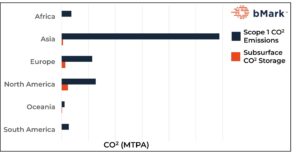
The fight against climate change is more urgent than ever, and CO2 storage plays a pivotal role in achieving global net-zero goals. However, the data from bMark by Belltree—proudly distributed by Kejora Gasbumi Mandiri, a trusted software agency in Indonesia—reveals a critical gap between emissions and storage capabilities.
The bMark Global Database highlights the stark reality: even with ambitious plans to increase CO2 storage capacity tenfold in the coming decade, this will only address a fraction of the world’s current emissions. This underscores the need for a holistic strategy that goes beyond Carbon Capture and Storage (CCS). Solutions must integrate CCS with electrification, efficiency improvements, and other innovations to close the gap.
CO2 Storage: A Key Component in Net-Zero Strategies
The role of CO2 storage in mitigating climate change cannot be overstated. However, the limited scale of planned projects shows that CCS alone is insufficient. This is where Indonesian software partnerships like ours come into play. By leveraging bMark’s robust analytics and comprehensive data, companies can identify opportunities to optimize CO2 storage projects while integrating broader strategies for emissions reduction.
How bMark Supports Your Sustainability Goals
As a leading tool for evaluating CO2 storage and subsurface assets, bMark provides:
- Comprehensive Data Analytics: Gain insights into the performance and potential of active and planned CO2 storage projects worldwide.
- Benchmarking Tools: Compare your project’s metrics with global standards to identify improvement areas.
- Scenario Planning: Use predictive models to align your CO2 storage goals with long-term net-zero strategies.
These features make bMark an invaluable asset for companies working to achieve sustainable operations, further solidifying our commitment as a premier software distributor in Indonesia.
Why Kejora Gasbumi Mandiri?
As an experienced Indonesian software reseller, Kejora Gasbumi Mandiri is dedicated to empowering businesses with cutting-edge tools like bMark. Our expertise in software distribution in Indonesia ensures seamless integration into your workflows, supported by tailored training and ongoing technical support.
With over 20 years of experience, we have built strong Indonesian software partnerships that enable us to deliver solutions tailored to the region’s unique challenges. From energy companies exploring CCS to industries aiming to enhance operational efficiency, bMark provides actionable insights to help you succeed.
Partner with Us to Leverage bMark
The path to net-zero emissions demands more than ambition—it requires actionable insights and the right tools. As a trusted software agency in Indonesia, Kejora Gasbumi Mandiri is here to support your sustainability journey with bMark.
Learn More:
Contact: Bonifasius Nayaka
Together, we can bridge the gap between CO2 emissions and storage, driving sustainable growth for a better future.
Enhance Reservoir Engineering with tNavigator 24.3 – Advanced Oil and Gas Software Solutions
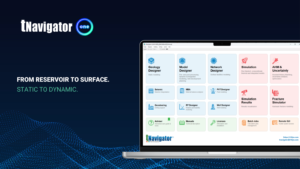
Rock Flow Dynamics has launched tNavigator 24.3, redefining reservoir simulation workflows with advanced features tailored for the oil and gas industry. As a trusted oil and gas software distributor in Indonesia, PT Kejora Gasbumi Mandiri is excited to bring this state-of-the-art solution to professionals seeking precision, efficiency, and usability in their operations.
Key Features of tNavigator 24.3
- Advanced Reservoir Models: Dive deeper into subsurface insights with upgraded simulation tools, enabling better reservoir management.
- Refined User Interface: Intuitive design streamlines workflows, enhancing productivity for oil and gas professionals.
- Enhanced Data Integration: Effortlessly connect diverse datasets for a holistic reservoir analysis, essential for informed decision-making.
This latest release emphasizes the value of combining powerful oil and gas technology solutions with ease of adoption. By integrating these features, tNavigator 24.3 helps Indonesian oil and gas companies unlock their data’s full potential.
Why Choose PT Kejora Gasbumi Mandiri?
As an experienced software agency in Indonesia, we specialize in offering the best oil and gas software solutions, including consultancy services. Through our partnerships with global leaders like Rock Flow Dynamics, we ensure Indonesian companies access top-tier technology for optimized performance.
Discover the Future of Oil and Gas Software
PT Kejora Gasbumi Mandiri is your reliable partner for cutting-edge software distribution in Indonesia. With tNavigator 24.3, you can transform your reservoir engineering workflows with tools designed for accuracy and ease of use.
For more information contact our business development Nia Lutfiyanti or visit our website and LinkedIn:
Visit Rock Flow Dynamics LinkedIn
Visit Kejora Gasbumi Mandiri LinkedIn
Optimize Efficiency with Open IT’s StorageAnalyzer for Smarter Storage Management
Looking for oil and gas software solutions that streamline storage management? PT Kejora Gasbumi Mandiri proudly introduces Open IT’s StorageAnalyzer, a powerful tool designed for organizations to efficiently manage and optimize storage resources.
Why Choose Open IT’s StorageAnalyzer?
StorageAnalyzer offers advanced features that go beyond simple storage tracking, providing businesses with actionable insights into their storage environment.
- Comprehensive Storage Monitoring: Gain a detailed view of storage utilization across your organization, identifying patterns, trends, and inefficiencies.
- Automated Data Analysis: Automate the detection of unused or redundant data, ensuring that only essential files occupy valuable storage space.
- Customizable Reporting: Generate tailored reports that help IT teams make informed decisions about storage allocation and resource planning.
- Seamless Integration: The tool integrates smoothly with existing IT infrastructures, minimizing disruptions and ensuring quick deployment.
- Sustainability Benefits: By optimizing storage usage, companies can reduce their energy consumption and environmental footprint.
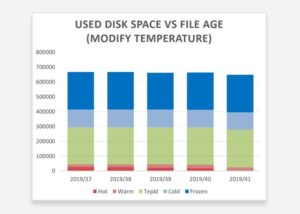
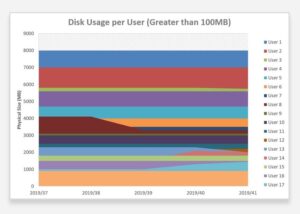
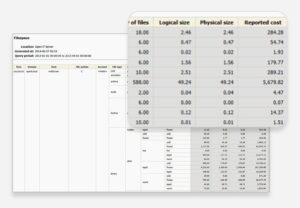
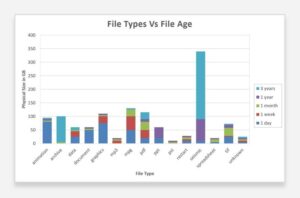
Boost Your Storage Strategy with a Trusted Partner
As a leading name in Indonesia oil and gas consultancy and software agency services, PT Kejora Gasbumi Mandiri ensures that clients in the oil and gas industry receive cutting-edge tools tailored to their unique operational challenges.
Let our Business Development expert Bethania Sinaga, help your organization unlock the full potential of its storage systems with Open IT’s StorageAnalyzer. With its precise metering and data management capabilities, you’ll experience improved productivity and cost efficiency like never before.
Contact Us Today!
Discover the advantages of partnering with Indonesia’s premier oil and gas technology agency. Take the first step toward smarter storage management and optimized operations.
Cutting Edge Technology Solution for the Oil and Gas Industry Solutions
In the fast-paced world of energy, the oil and gas industry is constantly evolving, driven by the need for efficiency, safety, and sustainability. Oil and gas industry solutions are becoming increasingly sophisticated, leveraging cutting-edge technology to overcome challenges and seize opportunities. At the forefront of this revolution is Kejora Gasbumi, a leader in providing innovative solutions that address the industry’s most pressing needs.
The Role of Technology in the Oil & Gas Industry
Technology has always been a cornerstone of the oil and gas industry, but recent advancements have elevated its importance to unprecedented levels. From the early stages of exploration to the final stages of refining, every part of the oil and gas process is enhanced by cutting-edge technology. Here’s how:
-
Digitalization
The rise of digital tools is revolutionizing the industry. Technologies like data analytics, Internet of Things (IoT) devices, and artificial intelligence (AI) are reshaping operations. Companies can now monitor equipment in real-time, anticipate maintenance needs before they become critical, and streamline production processes. This results in reduced downtime, enhanced efficiency, and better decision-making.
-
Automation
Automated systems are increasingly integral to drilling and production processes. These systems enhance precision and safety by minimizing human intervention in high-risk environments. By automating repetitive and hazardous tasks, the industry not only boosts operational accuracy but also significantly reduces the risk of accidents and improves overall safety.
-
Sustainable Solutions
With growing environmental awareness, the oil and gas sector is embracing greener technologies. Innovations like carbon capture and storage (CCS), integration of renewable energy sources, and advanced waste management practices are helping the industry mitigate its environmental impact. These sustainable solutions are paving the way for a more eco-friendly future, addressing both regulatory demands and public concerns.
How Kejora Gasbumi is Leading the Way
Kejora Gasbumi is at the forefront of technological innovation in the oil and gas industry, setting new standards with their specialized solutions. They provide a comprehensive suite of tools designed to tackle the distinct challenges faced by this sector. Here’s how they’re making a notable impact:
-
Customized Digital Oil and gas industry solutions
Kejora Gasbumi provides tailored digital Oil and gas industry solutions that help companies optimize their operations. From advanced data analytics to AI-driven decision-making tools, their technology enhances operational efficiency and reduces costs.
-
Advanced Automation Systems
Automation is another area where Kejora Gasbumi excels. Their automated systems not only increase precision and safety but also streamline processes, allowing companies to achieve higher productivity levels with fewer resources.
-
Commitment to Sustainability
Recognizing the importance of sustainability, Kejora Gasbumi is dedicated to helping the oil and gas industry reduce its environmental impact. They offer solutions that integrate renewable energy sources, improve waste management, and enhance energy efficiency, ensuring that clients can operate responsibly while still meeting their business goals.
Why Choose Kejora Gasbumi?
Navigating the complexities of the oil and gas industry requires more than just expertise—it demands a partner who truly understands the terrain. Here’s why Kejora Gasbumi is the ideal choice:
-
Expertise
With extensive experience in the oil and gas sector, Kejora Gasbumi has a deep understanding of the industry’s intricacies. This experience allows them to offer solutions that are not only cutting-edge but also grounded in practical, real-world application.
-
Innovation
Staying ahead in technology is crucial for success. Kejora Gasbumi’s dedication to innovation ensures that their clients benefit from the latest advancements and technological breakthroughs, keeping them at the forefront of the industry.
-
Sustainability
Kejora Gasbumi goes beyond the bottom line by emphasizing environmental responsibility. They focus on helping companies adopt sustainable practices, supporting the transition to greener solutions that benefit both the environment and the industry’s long-term viability.
Choosing Kejora Gasbumi means partnering with a company that combines deep industry knowledge, technological leadership, and a commitment to sustainability, making them a standout choice in the oil and gas sector.
Transforming the Future of Oil & Gas
The oil and gas industry is undergoing a significant transformation, driven by the need for more efficient, safe, and sustainable operations. Oil and gas industry solutions like those offered by Kejora Gasbumi are playing a crucial role in this evolution. By leveraging cutting-edge technology, they are helping companies stay competitive while also addressing environmental concerns.
If you’re looking to take your operations to the next level, consider partnering with Kejora Gasbumi. Their innovative solutions are designed to meet the demands of today’s industry while preparing you for the challenges of tomorrow. Visit Kejora Gasbumi https://kejoragasbumi.com/ to learn more and take the first step towards a more efficient and sustainable future.